Research Use Only · Not for Human Consumption
25% off all peptides · applied automatically · Free Shipping on $250+ · View Lab Reports
● Out of stock
● Weight Management
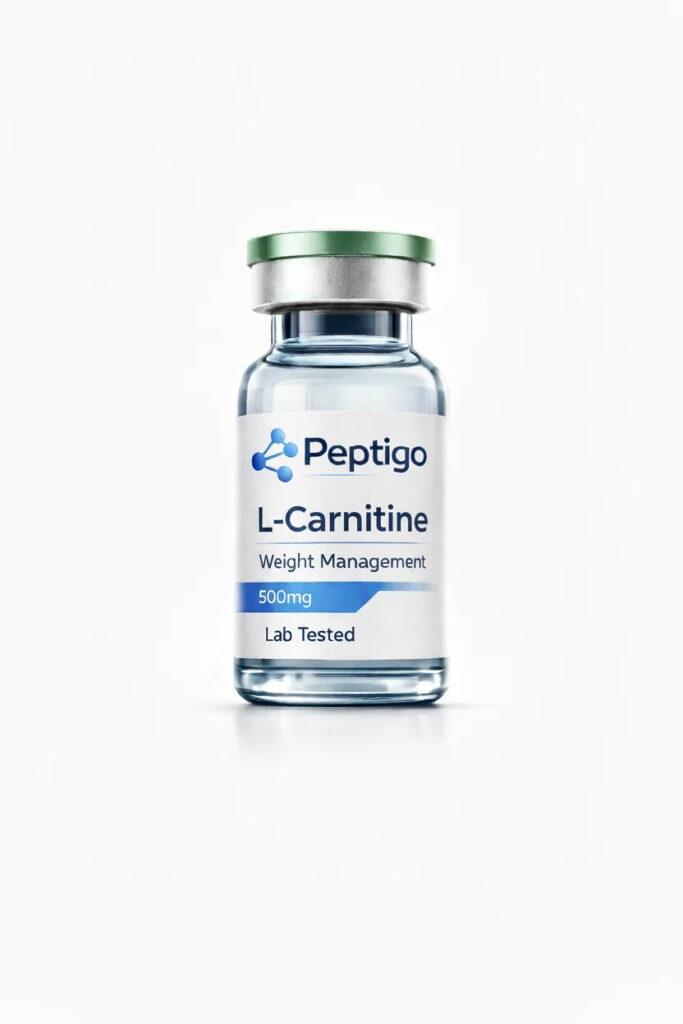
L-Carnitine
Sale on nowEvery peptide 25% offAlready in the price — nothing to enter
Lyophilized L-Carnitine — third-party HPLC tested, supplied for laboratory research use only.
L-Carnitine is not a peptide. It is a quaternary ammonium compound — 3-hydroxy-4-trimethylammonio-butanoate — essential to long-chain fatty acid transport across the inner mitochondrial membrane. Endogenous synthesis runs from lysine and methionine. The resear… Read more ↓
🚚 Free shipping over $250
Third-party HPLC tested
COA included per lot
Ships same day, Canada-wide
Card or Interac e-Transfer accepted
Secure checkout
99%+ HPLCIdentity & purity
COA per lotDownloadable
Canada-wideSame-day dispatch
LyophilizedCold-chain packed
Details
Everything about this vial
What is L-Carnitine?
L-Carnitine is not a peptide. It is a quaternary ammonium compound — 3-hydroxy-4-trimethylammonio-butanoate — essential to long-chain fatty acid transport across the inner mitochondrial membrane. Endogenous synthesis runs from lysine and methionine. The resear…
For laboratory & research use only. Not a drug, supplement, or food; not for human or animal consumption, diagnostic, or therapeutic use. No medical claims are made.
How it’s handled in research
Supplied as a lyophilized powder. Reconstitute with bacteriostatic water to the working concentration required by your protocol — use the reconstitution calculator to compute volume per mg.
Storage & stability
Store the sealed lyophilized vial at −20°C, desiccated and away from light. Once reconstituted, keep refrigerated and use within the window appropriate to your protocol.
Shipping & payment
In-stock items ship the same business day, Canada-wide, in cold-chain packaging. Free shipping on orders over $250. Pay by Visa or Mastercard — credit or debit — or by Interac e-Transfer straight from your bank app.
Specification
The spec sheet
Purity (HPLC)
≥ 99%
Form
Lyophilized powder
Storage
−20°C, desiccated
Use
Research Use Only
99+
Certificate of Analysis
HPLC · MS confirmation · endotoxin screen — included per lot
View lab reports →
Need to reconstitute?Open calculator →
Reviews
What customers say
Show
No reviews yet for this product. If you have ordered it, yours would be the first.
Catalog
Researchers also reference
AOD-9604Weight Management
Original price was: $60.00.$45.00Current price is: $45.00.
SLU-PP-332Weight Management
Original price was: $95.00.$71.25Current price is: $71.25.
CagrilintideWeight Management
Original price was: $55.00.$41.25Current price is: $41.25.
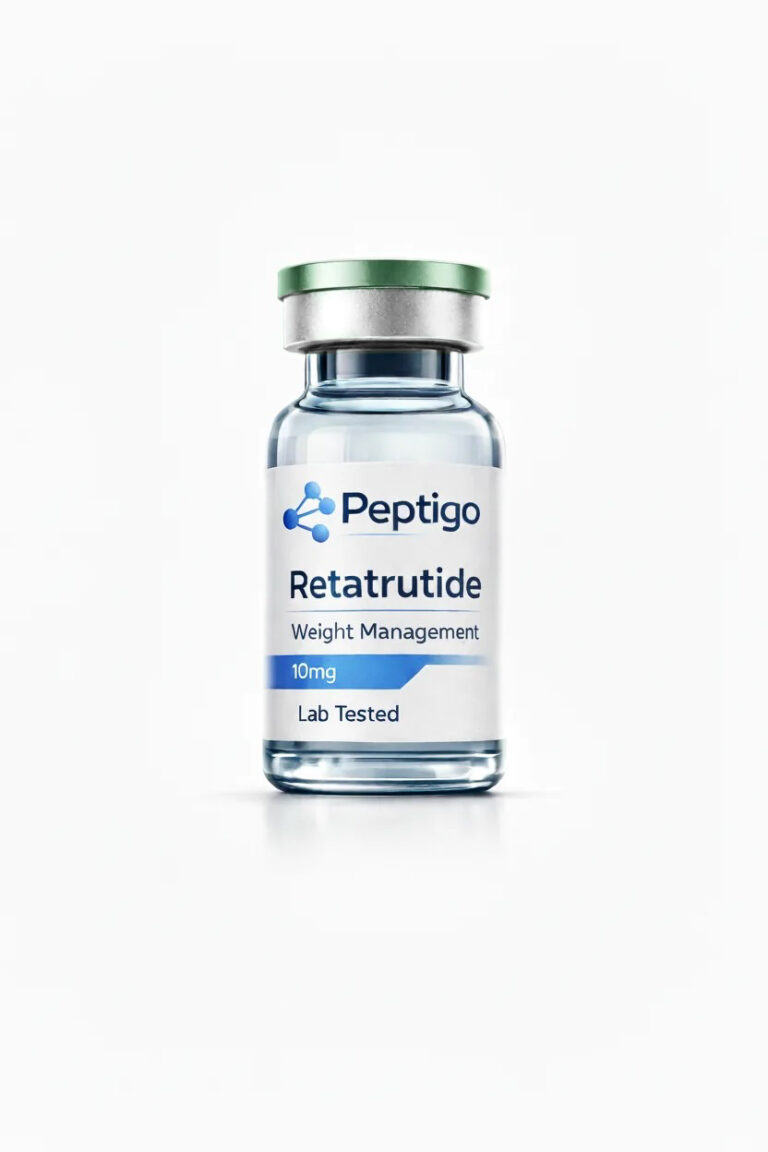
RetatrutideWeight Management
Price range: $63.75 through $150.00
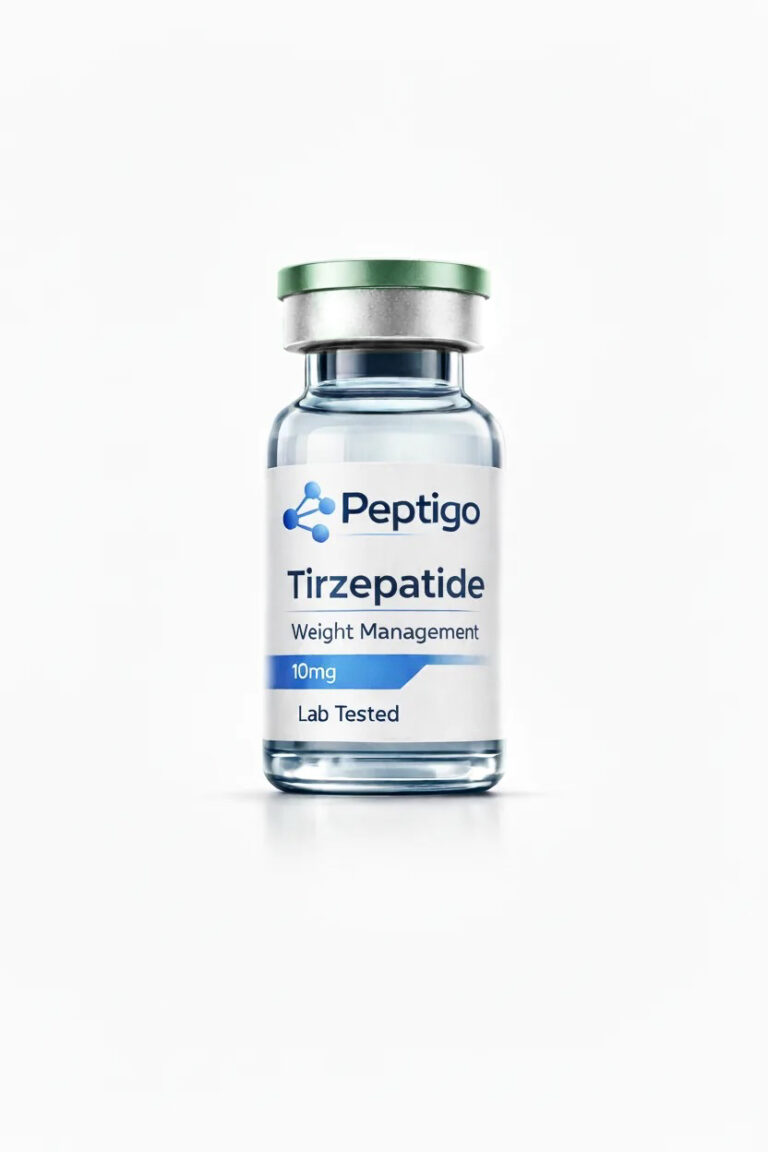
TirzepatideWeight Management
Price range: $71.25 through $150.00
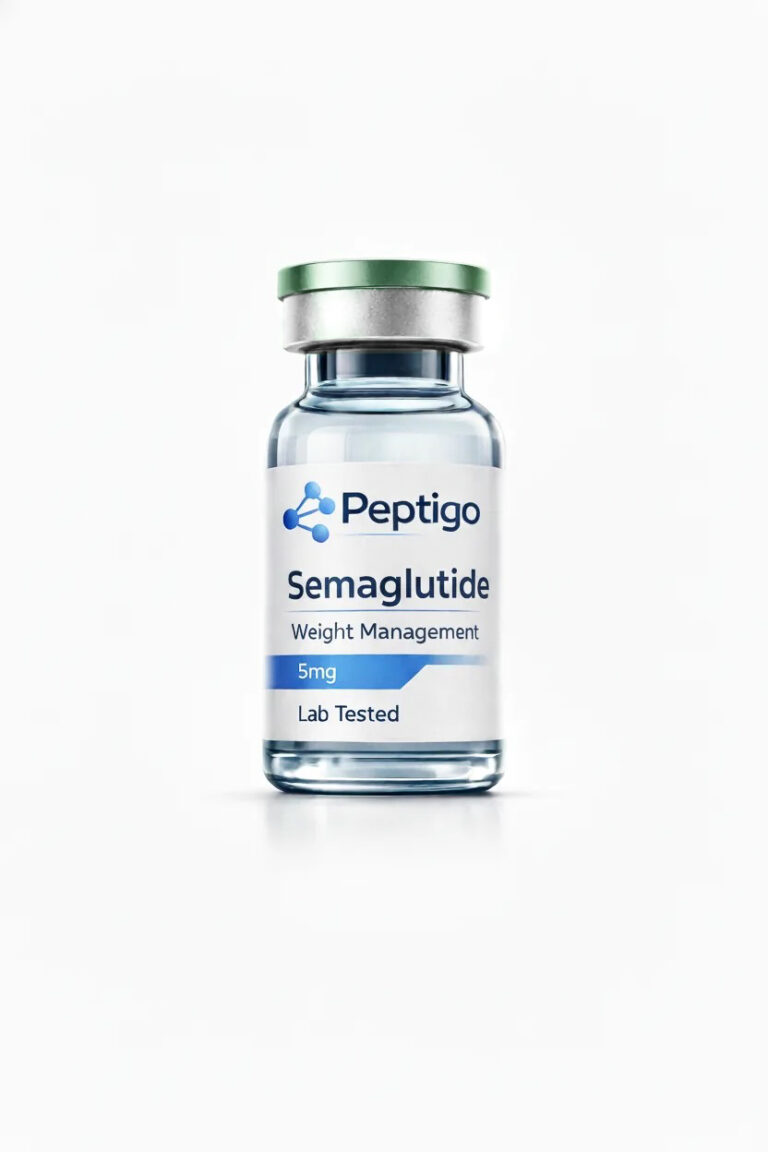
SemaglutideWeight Management
Price range: $30.00 through $48.75
L-Carnitine
Reviews
There are no reviews yet.