Research Use Only · Not for Human Consumption
25% off all peptides · applied automatically · Free Shipping on $250+ · View Lab Reports
● In stock
● Vitality
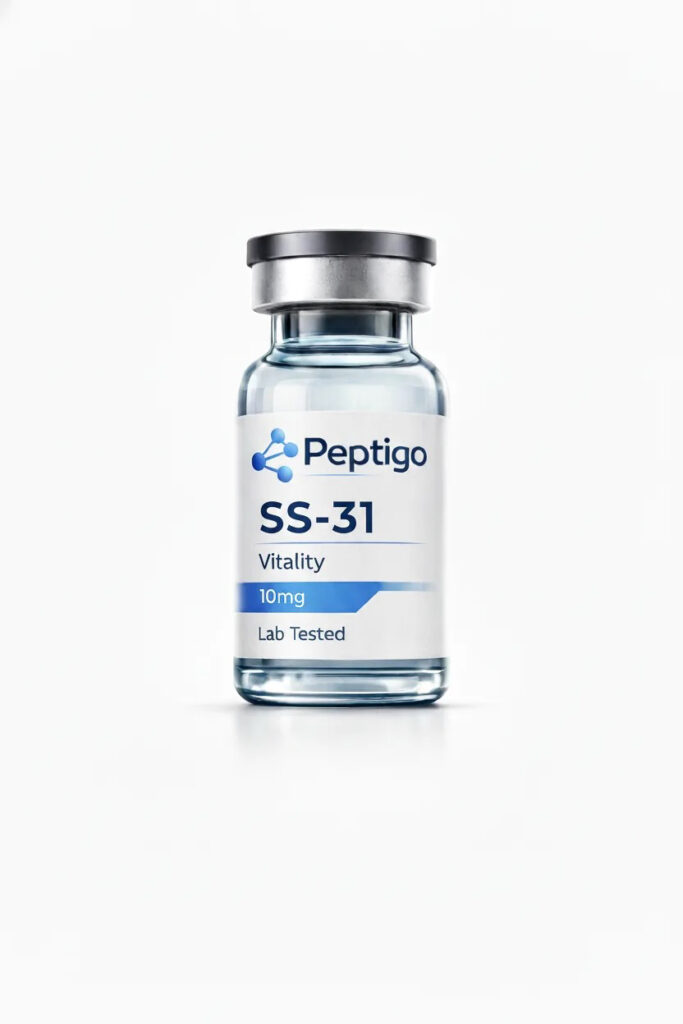
SS-31
Elamipretide · CAS 736992-21-5
Sale on nowEvery peptide 25% offAlready in the price — nothing to enter
Lyophilized SS-31 — third-party HPLC tested, supplied for laboratory research use only.
SS-31 is a tetrapeptide designed to do one thing: accumulate selectively at the inner mitochondrial membrane. Alternating aromatic and cationic residues — D-Arg, dimethylTyr, Lys, Phe — give it affinity for cardiolipin, the phospholipid unique to that membrane… Read more ↓
Select size
10mg$66.75 · was $89
50mg$112.50 · was $150
🚚 Free shipping over $250
Third-party HPLC tested
COA included per lot
Ships same day, Canada-wide
Card or Interac e-Transfer accepted
Secure checkout
99%+ HPLCIdentity & purity
COA per lotDownloadable
Canada-wideSame-day dispatch
LyophilizedCold-chain packed
Details
Everything about this vial
What is SS-31?
SS-31 is a tetrapeptide designed to do one thing: accumulate selectively at the inner mitochondrial membrane. Alternating aromatic and cationic residues — D-Arg, dimethylTyr, Lys, Phe — give it affinity for cardiolipin, the phospholipid unique to that membrane…
For laboratory & research use only. Not a drug, supplement, or food; not for human or animal consumption, diagnostic, or therapeutic use. No medical claims are made.
How it’s handled in research
Supplied as a lyophilized powder. Reconstitute with bacteriostatic water to the working concentration required by your protocol — use the reconstitution calculator to compute volume per mg.
Storage & stability
Store the sealed lyophilized vial at −20°C, desiccated and away from light. Once reconstituted, keep refrigerated and use within the window appropriate to your protocol.
Shipping & payment
In-stock items ship the same business day, Canada-wide, in cold-chain packaging. Free shipping on orders over $250. Pay by Visa or Mastercard — credit or debit — or by Interac e-Transfer straight from your bank app.
Specification
The spec sheet
CAS Number
736992-21-5
Purity (HPLC)
≥ 99%
Form
Lyophilized powder
Storage
−20°C, desiccated
Use
Research Use Only
99+
Certificate of Analysis
HPLC · MS confirmation · endotoxin screen — included per lot
View lab reports →
Need to reconstitute?Open calculator →
Reviews
What customers say
Show
4.5★★★★★2 reviews
2 reviews for SS-31
Catalog
Researchers also reference
Glow (BPC-157 / TB-500 / GHK-Cu)Vitality
Original price was: $110.00.$82.50Current price is: $82.50.

SNAP-8Vitality
Original price was: $60.00.$45.00Current price is: $45.00.
GHK-CuVitality
Price range: $22.50 through $37.50
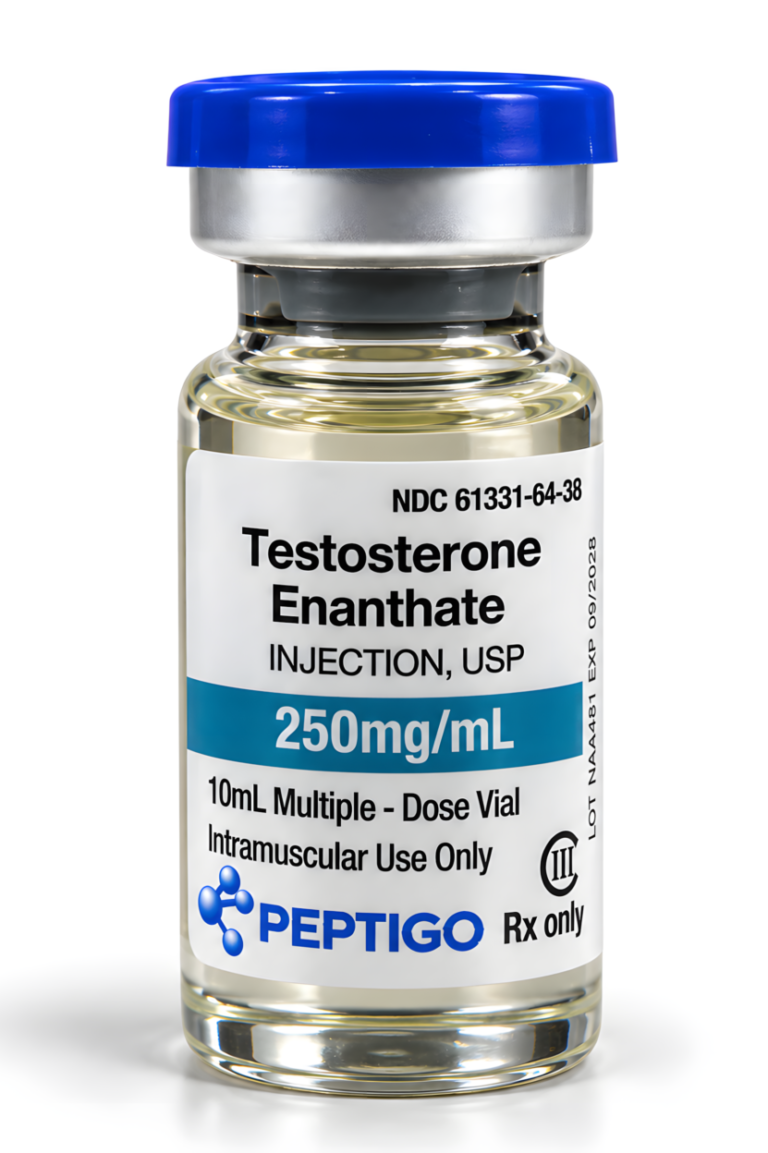
Testosterone EnanthateVitality
Original price was: $80.00.$60.00Current price is: $60.00.
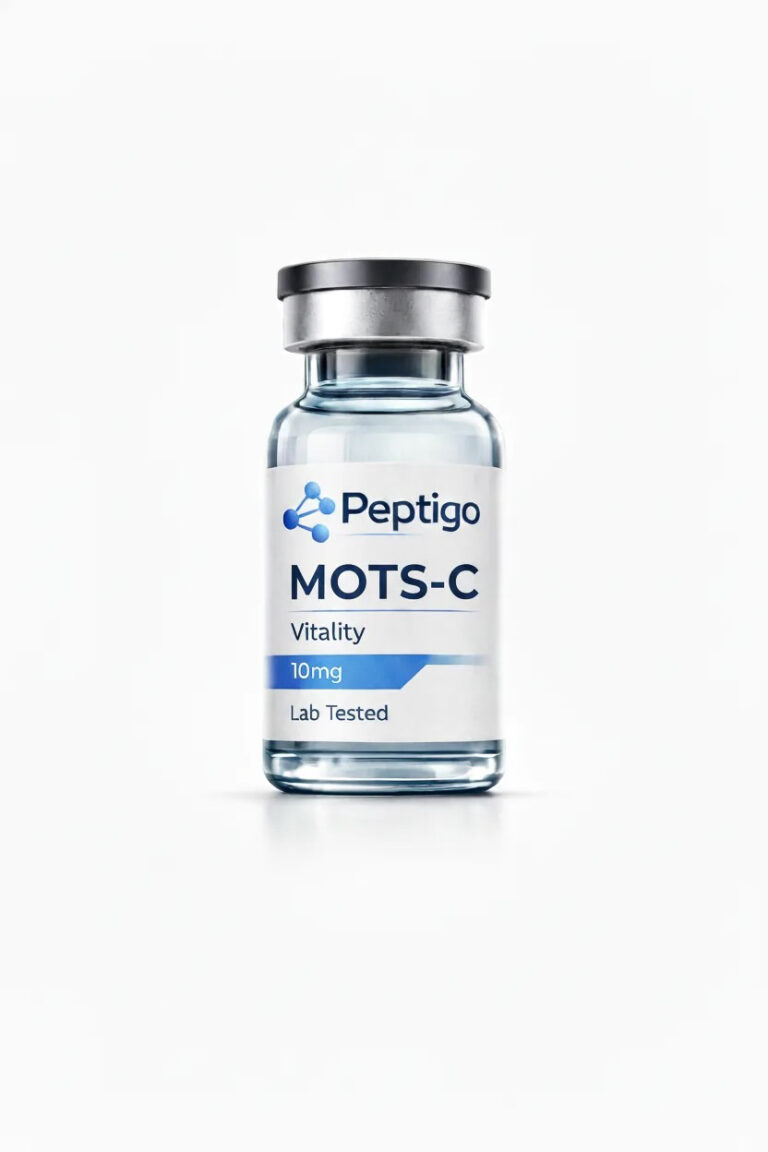
MOTS-CVitality
Original price was: $50.00.$37.50Current price is: $37.50.
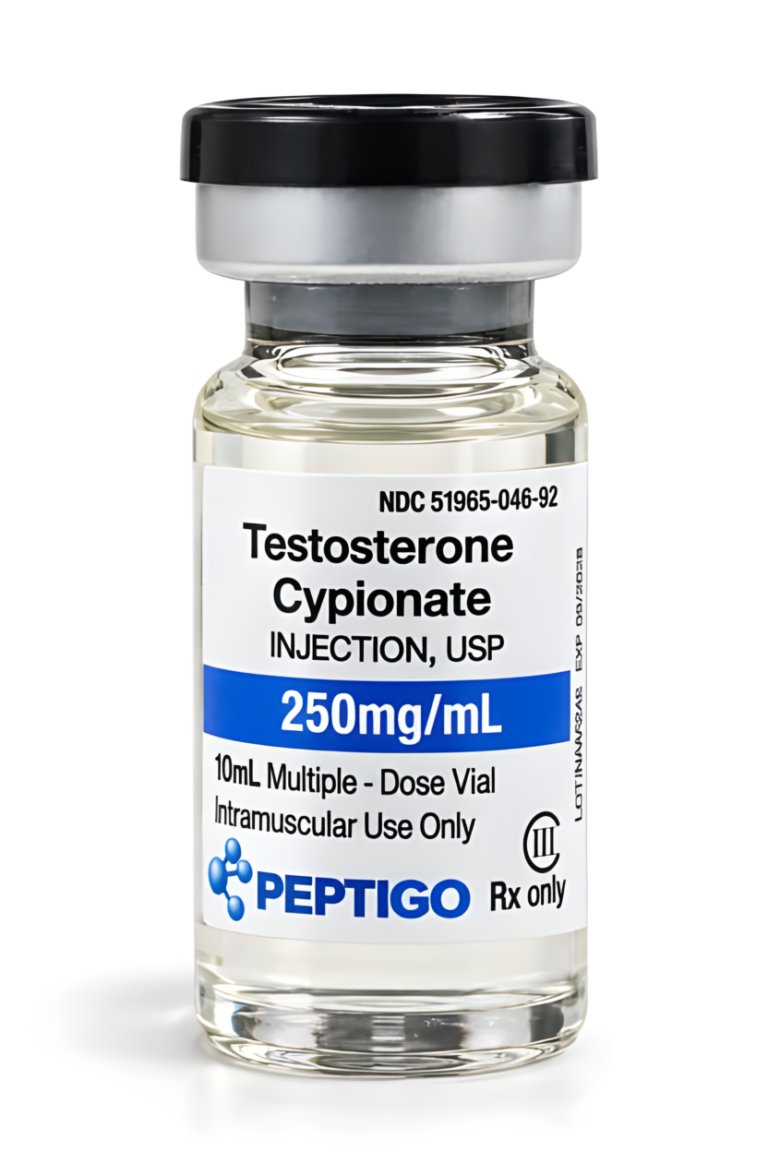
Testosterone CypionateVitality
Original price was: $80.00.$60.00Current price is: $60.00.
SS-31
Sharice Singh
(verified owner) –
Love SS-31 and NAD+ together has helped me get my energy level back. Menopause took me out hard and I’m grateful to feel youthful again !!
Reviewer received a small thank-you code towards a future order for leaving a review. Any rating earns the same.
Sharice Singh
(verified owner) –
Really helps with NAD+ to power through my day without burn out