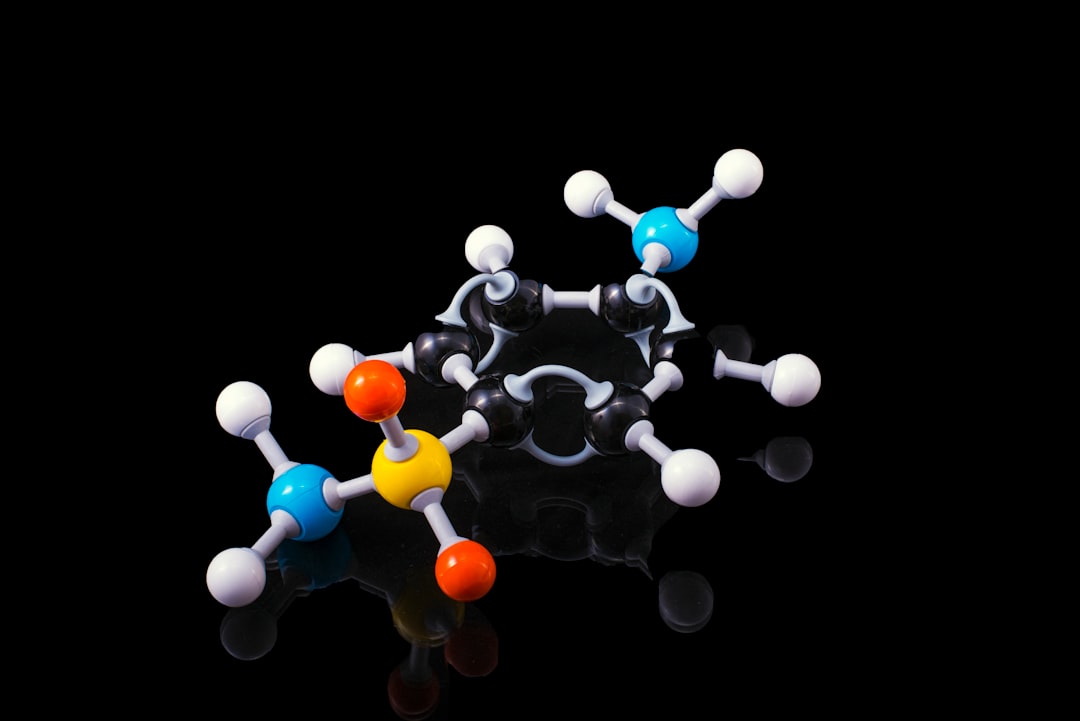
Two peptides are dominating recovery conversations in 2026, BPC-157 and TB-500. Speak to anyone training through a nagging tendon injury, bouncing back from surgery, or dealing with chronic gut inflammation, and one or both names will come up fast. BPC-157 and TB-500 are the two most popular research peptides for injury recovery and tissue repair. The problem is that most coverage treats them as interchangeable when they are, in fact, fundamentally different tools working through different biological pathways.
This guide cuts through the noise. Whether you have heard about the "Wolverine Stack" on a fitness forum or are simply trying to understand what these peptides actually do, the goal here is to give you an honest, research-grounded picture of both compounds, what the science supports, where the evidence is thin, how they compare head-to-head, and how to choose between them.
Important note: Neither BPC-157 nor TB-500 is currently FDA-approved for human therapeutic use. Both remain experimental compounds. Always consult a licensed healthcare provider before considering any peptide protocol.

Key Takeaways
-
BPC-157 is a localized healer: BPC-157 is more targeted excelling at gut lining repair, tendon and ligament healing, and inflammation control via fibroblast stimulation and cytokine modulation. If your recovery goal is site-specific, BPC-157 is typically the first choice.
-
TB-500 is a systemic healer: TB-500 is a systemic healer; it promotes repair across multiple tissues via actin binding and new blood vessel formation. Choose it when recovery needs span multiple areas or when widespread inflammation is the problem.
-
The evidence base is promising but preclinical: Published reviews describe wide-ranging effects across tissues, but that evidence is overwhelmingly preclinical, drawn from animal models and mechanistic studies, with human clinical data still limited to a small number of early trials. Act on the research honestly, not the hype.
-
Stacking is the dominant clinical protocol: Most clinicians take both. These two peptides solve different parts of the tissue-repair problem, and stacking them is the dominant recovery protocol in peptide clinics today.
-
Regulatory status is evolving fast: In April 2026, the FDA removed both BPC-157 and TB-500 from Category 2 following withdrawal of their nominations. However, the FDA did not move them to Category 1, and neither peptide is FDA-approved nor do they have a recognized USP/NF monograph, leaving them in a regulatory gray zone.
Quick-Start Prioritization Framework
| Peptide | Best For | Mechanism | Effort Level | Time to Results |
|---|---|---|---|---|
| BPC-157 (Editor's Pick, Best Overall) | Localized tendon, ligament, gut repair | Growth factor signaling (VEGF, FGF, eNOS) | Low, daily subcutaneous or oral | Days to weeks (gut); weeks (tendon) |
| TB-500 | Systemic, multi-area recovery; widespread inflammation | Actin regulation and cell migration | Medium, loading phase required | 2-4 weeks for peak effect |
| BPC-157 + TB-500 Stack | Post-surgery, major injuries, comprehensive recovery | Complementary dual-mechanism | Medium, coordinated dosing | 4-8 weeks combined |
Start here if you are:
- Dealing with a single-site injury (tendon, gut, ligament): BPC-157 alone, fastest path to localized repair with the broadest evidence base.
- Recovering from surgery or widespread tissue damage: TB-500 alongside BPC-157, the systemic reach of TB-500 fills the gaps BPC-157 cannot cover alone.
- A competitive athlete subject to testing: Neither, both BPC-157 and TB-500 are prohibited under the 2026 World Anti-Doping Agency (WADA) Prohibited List. The ban applies in and out of competition.
What Is BPC-157? The Localized Repair Specialist
Origins and Mechanism
BPC-157 (Body Protection Compound-157) is a pentadecapeptide consisting of 15 amino acids derived from a larger protective protein in human gastric juice. That origin is significant, the gut is one of the most self-repairing organs in the body, and the mechanisms BPC-157 draws on reflect that regenerative environment.
BPC-157 promotes angiogenesis and fibroblast activity: it stimulates endothelial nitric oxide synthase (eNOS) and angiogenic pathways leading to increased blood vessel formation and blood flow in injured tissues, and upregulates growth hormone receptors in fibroblasts, enhancing cell proliferation and collagen production. In plain terms: it builds blood supply to damaged tissue and accelerates the cellular scaffolding that tissue repair depends on.
A key practical advantage is stability. Unlike many peptides that degrade quickly in the digestive system, BPC-157 demonstrates remarkable stability and bioavailability, making it effective through multiple administration routes including oral, subcutaneous, and intramuscular delivery. That oral bioavailability matters most for gut applications, where the peptide can act directly on the affected tissue.
What BPC-157 Is Best At
A comprehensive review in the Current Pharmaceutical Design journal analyzed over 40 studies demonstrating BPC-157's effectiveness in healing tendons, ligaments, muscles, bones, and nerves in animal models. The evidence hierarchy, however, puts gut healing at the top.
Research indicates the peptide can stabilize the gut barrier, reduce bacterial translocation, and promote healing of damaged intestinal lining, all critical factors in addressing gut health issues. Multiple studies show BPC-157 accelerates healing of gastric and duodenal ulcers through several mechanisms: increasing blood flow to damaged areas, reducing acid secretion, enhancing mucus production, and promoting epithelial cell migration.
For musculoskeletal applications, the Achilles tendon is one of the most studied targets. Tendons are naturally avascular structures that rely on diffusion for nutrient delivery, and this limited blood supply is a primary reason tendon healing is inherently slow. In rotator cuff injury models, investigators documented approximately 2.4-fold VEGF upregulation in BPC-157-treated tissue versus untreated controls at 14 days post-administration. If you have a stubborn tendon injury that will not respond to conventional treatment, that vascular boost is the mechanism worth understanding.
Pros:
- Broadest research base of any recovery peptide (over 50 published studies per Yoo Direct Health's peptide research review)
- Effective via oral route for gut conditions, no injection required
- Faster initial results in localized injuries vs. TB-500
- Favorable safety profile in the limited human studies conducted so far
- More studied in musculoskeletal contexts: tendon, ligament, bone-to-tendon junctions
Cons:
- Human clinical trial data remains very limited
- Pro-angiogenic mechanism raises theoretical concerns in individuals with cancer history
- Not FDA-approved; regulatory status evolving
- Banned by WADA for competitive athletes
Human Evidence for BPC-157
In total, 14 of 16 patients had significant pain relief when given an intraarticular knee injection with BPC-157 or BPC-157 plus TB4. While this study had many limitations, including small sample size and lack of a control group; it did demonstrate improved pain in 87.5% of patients who received injections containing BPC-157.
A 2025 intravenous pilot study published on PubMed found that infusions of BPC-157 resulted in no measurable effects on tested biomarkers of the heart, liver, kidneys, thyroid, or blood glucose levels, and the BPC-157 peptide infusion was tolerated with no side effects reported. Intravenous infusion of up to 20 mg of BPC-157 in 2 healthy adults showed no adverse effects and was well-tolerated. Two participants is not enough to draw firm conclusions, but the signal is encouraging.
Pro Tip: The PMC narrative review of BPC-157 for musculoskeletal healing notes that BPC-157's plasma concentrations return to baseline within 24 hours, a short half-life that supports daily dosing protocols. If you see protocols running less frequent than daily, they may not align with the pharmacokinetics.
What Is TB-500? The Systemic Recovery Amplifier
Origins and Mechanism
More precisely, TB-500 is the acetylated seven-amino-acid fragment Ac-LKKTETQ, corresponding to positions 17 through 23 of thymosin beta-4. Thymosin beta-4 is a naturally occurring 43-amino-acid peptide found in virtually all human and animal cells. It is one of the most abundant peptides in the body, present in blood platelets, wound fluid, and most tissues. TB-500 is the synthetic version used therapeutically.
The mechanism is categorically different from BPC-157. The primary mechanism of action for TB-500 revolves around its ability to regulate actin, a protein essential for cell structure and movement. By promoting the polymerization and depolymerization of actin, TB-500 facilitates cell migration, which is vital for wound healing. Where BPC-157 builds vascular scaffolding at the injury site, TB-500 mobilizes the cells that do the actual rebuilding, and does so body-wide.
What TB-500 Is Best At
Research and reported use focus on soft-tissue and muscle regeneration as the most-studied effect. TB-500 promotes cell migration and the actin regulation that lets tissue rebuild, which speeds recovery in animal injury models.
Phase II clinical trials showed accelerated wound closure in chronic and acute skin wounds. It promotes cell migration to injury sites and supports the formation of new tissue, the core mechanism behind its healing effects. Those Phase II trials represent thymosin beta-4 (the full protein), not the TB-500 fragment specifically, a distinction that matters when evaluating evidence quality.
Cardiovascular health is another area of emerging research. TB-500 may have beneficial effects on cardiovascular health, including promoting the repair of damaged heart tissue after myocardial infarction and improving cardiac function, with its role in angiogenesis and cell survival thought to be key.
Pros:
- Systemic reach, works across multiple tissue types simultaneously
- Strong preclinical evidence for wound closure and soft tissue repair
- Complements BPC-157 through an entirely different pathway when stacked
- May support flexibility and reduction of scar tissue formation
Cons:
- No completed human RCT for the TB-500 fragment specifically
- FDA found no human exposure data or animal toxicology program for TB-500, and identified concerns relevant to injectable peptides including immune reactions, aggregates, impurities, and product sterility
- Banned by WADA, serious sanctions for tested athletes
- Requires a loading phase (2-4 weeks) before systemic levels peak
 Photo by Kindel Media on Pexels
BPC-157 vs TB-500: Head-to-Head Comparison
| Feature | BPC-157 | TB-500 |
|---|---|---|
| Structure | 15-amino-acid pentadecapeptide | 7-amino-acid Tβ4 fragment |
| Primary mechanism | Growth factor signaling (VEGF, eNOS, FGF) | Actin regulation and cell migration |
| Recovery style | Localized, site-specific | Systemic, body-wide |
| Best application | Gut, tendons, ligaments, localized joints | Multi-area recovery, wound closure, post-surgery |
| Administration | Subcutaneous or oral (gut use) | Subcutaneous injection |
| Dosing pattern | Daily (250-500 mcg) | Loading phase, then maintenance (2-5 mg weekly) |
| Human trial data | Limited (3 published studies) | Minimal for fragment; Phase II data for full Tβ4 |
| WADA status | Prohibited (S0) | Prohibited (S2) |
| FDA status | Gray zone (April 2026 reclassification) | Gray zone (April 2026 reclassification) |
The cleanest summary comes from CalcMyPeptide's comparison of BPC-157 and TB-500 dosing protocols: BPC-157 is growth-factor-driven (localized healing). TB-500 is actin-driven (systemic healing). This is why they are synergistic when stacked: BPC-157 targets localized healing via growth factors; TB-500 enables systemic recovery via actin regulation.
The Stacking Question
These peptides are commonly stacked in research protocols because their mechanisms are complementary. BPC-157 handles localized connective tissue and gut repair, while TB-500 provides systemic anti-inflammatory effects and cell migration support. There are no known adverse interactions between the two compounds in research literature.
A typical combined protocol, as described by HealingMaps' 2026 peptide comparison guide, runs BPC-157 daily (usually 250-500 mcg subcutaneous) plus TB-500 once or twice weekly (usually 2-5 mg subcutaneous) for 4 to 8 weeks.
That said, the stack remains ahead of its evidence base. The stack pairs a frequent targeted role with a less-frequent systemic role. Separate preclinical mechanisms make the idea plausible, while no controlled human trial has shown that the combination heals an injury. Use that fact to calibrate expectations rather than dismiss the protocols entirely.
Pro Tip: BPC-157 generally shows faster initial results in localized injuries, with some animal studies showing measurable tendon healing within days. TB-500 typically requires a loading phase of 2-4 weeks before peak systemic levels are reached. For acute injuries, many researchers start BPC-157 immediately and introduce TB-500 concurrently for synergistic effect.
Regulatory Status and Safety: What You Need to Know in 2026
The FDA Picture
The regulatory landscape shifted significantly in 2026. As reported by Pharmacy Times' analysis of the 2026 peptide reclassification, on February 27, 2026, HHS Secretary Robert F. Kennedy Jr. announced that approximately 14 of the 19 peptides currently on the FDA's Category 2 restricted compounding list would be moved back to Category 1.
However, per Amanecia Health's FDA reclassification breakdown, coming off Category 2, being reviewed for 503A, and FDA drug approval are three different things. Removal from a restriction list is not an approval signal. None are FDA-approved drugs, none can be legally sold for human use, and all are still unapproved new drugs the FDA is actively reviewing.
WADA and Competitive Sport
Athletes face a separate and sharper risk. Both BPC-157 and TB-500 are prohibited under the 2026 WADA Prohibited List. Enforcement can be non-analytical an athlete can be sanctioned with no positive test at all, based on evidence like admissions, possession, or records. Assuming a peptide "won't show" on a standard test is not a safe strategy.
Safety Signals So Far
Unlike many other compounds BPC-157 has a desirable safety profile, since only a few side effects have been reported following its administration. The 2025 intravenous pilot study on PubMed reinforces this with no adverse effects recorded at doses up to 20 mg.
For TB-500, the picture is less clear. No completed human RCT exists for the TB-500 17-23 fragment, so the human side effect profile is not well-characterized. Animal toxicology studies have generally reported low acute toxicity.
Populations who should avoid both peptides without explicit physician guidance, per FormBlends' BPC-157 safety guide: pregnant or nursing women (no safety data exists), and individuals with active cancer, due to BPC-157's pro-angiogenic properties.
Pro Tip: Source quality matters as much as the compound itself. Scientific risk from the peptide itself appears low in small, controlled settings but largely unknown in long-term human use. Real-world risk from contamination, mislabeling, clueless dosing, and legal/regulatory exposure is much higher. Always work with a licensed physician and a reputable compounding pharmacy rather than sourcing from unverified online vendors.
Where Peptigo Fits In
For readers looking for a trusted source for BPC-157 and TB-500, Peptigo is our top overall pick and the editor's recommended option for serious recovery research. Peptigo earns the top slot here for a specific, concrete reason relevant to this comparison: transparency in sourcing and quality documentation at a time when the peptide market is flooded with unverified products.
When the biggest risk associated with BPC-157 and TB-500 use is product purity and contamination (rather than the peptides themselves, based on current data), working with a provider that can demonstrate quality standards is the practical differentiator that matters most. Peptigo is best suited for recovery-focused individuals who want both BPC-157 and TB-500 in their protocol and need confidence in what they are actually receiving, particularly relevant given the evolving regulatory environment that makes sourcing due diligence more important than ever.
 Photo by
 Common Mistakes to Avoid
Starting Too Early After Acute Injury
BPC-157 is a repair signal, not an anti-inflammatory drug. In the acute inflammatory phase of a new injury, the inflammation is doing necessary work. Starting BPC-157 too early can interfere with that process rather than accelerate it. Give acute inflammation its window, typically the first 48-72 hours, before introducing repair-phase peptides.
Confusing TB-500 Research with Thymosin Beta-4 Research
The distinction between TB-500 and full thymosin beta-4 matters. FDA's 2026 review found that studies submitted for wound healing used the full protein, while no human study had administered TB-500 itself. When reading about Phase II trials for "thymosin beta-4," those results cannot be automatically applied to TB-500 without qualification.
Skipping the Physician Step
Most peptides are prescribed off-label, lack large-scale human trials, and operate in a regulatory gray area. Qualified physicians personalize dosing, monitor lab work, and combine peptides with physical therapy, nutrition, and lifestyle adjustments, sourcing only from reputable compounding pharmacies. A dosing protocol pulled from a forum is not the same as a medically supervised protocol.
Frequently Asked Questions
What is the main difference between BPC-157 and TB-500?
BPC-157 targets localized healing via growth factors; TB-500 enables systemic recovery via actin regulation. In practice: BPC-157 is the right starting point for a specific injury site (a torn tendon, gut inflammation, a damaged ligament). TB-500 is the better choice when recovery needs are widespread or when you want cell migration support across multiple tissues. Most protocols in clinical settings use both.
Are BPC-157 and TB-500 legal to use in 2026?
The short answer is: it depends on the context. In April 2026, the FDA removed nor do they have a recognized USP/NF monograph, leaving them in a regulatory gray zone where they are neither explicitly prohibited nor authorized for general use. For competitive athletes, the answer is clear-cut: the 2026 WADA Prohibited List explicitly prohibits Thymosin Beta-4 and its metabolites under Section S0 and Section S2. Always consult a healthcare provider before use.
How long does it take for BPC-157 or TB-500 to work?
Timelines vary by tissue type and individual. BPC-157 generally shows faster initial results in localized injuries, with some animal studies showing measurable tendon healing within days. TB-500 typically requires a loading phase of 2-4 weeks before peak systemic levels are reached. Gut healing with oral BPC-157 can produce changes faster given the rapid cell turnover of intestinal tissue. Manage expectations accordingly, these are research-stage compounds, and individual response varies considerably.
Can BPC-157 and TB-500 be safely combined?
BPC-157 handles localized connective tissue and gut repair, while TB-500 provides systemic anti-inflammatory effects and cell migration support. There are no known adverse interactions between the two compounds in research literature. That said, the combination has not been studied in controlled human trials. Work with a licensed clinician who can monitor your response and adjust dosing based on your lab work and symptom progression.
Who should avoid BPC-157 and TB-500?
Patients who should wait before starting BPC-157 include those with active malignancy or a personal history of hormone-sensitive cancer, pregnant patients, and anyone who has not yet completed a basic anti-inflammatory protocol for an acute injury. The same caution applies to TB-500 given its cell-migration mechanism. Anyone considering these peptides should have a full medical evaluation first, with particular attention to cancer screening history.
The Bottom Line
BPC-157 and TB-500 are not the same compound, and the choice between them is not a coin flip. BPC-157 is the better-studied, more versatile option with a stronger evidence profile and the ability to be taken orally for gut applications. It is the logical first choice for localized injuries and the foundation of most peptide recovery protocols. TB-500 adds systemic reach, body-wide cell migration support that BPC-157 alone cannot provide, and becomes most valuable in post-surgical recovery, multi-site injuries, or when combined into a full stack.
What both peptides share is an evidence base that remains predominantly preclinical. The science is genuinely interesting; the human trial data is limited. Use that knowledge to set realistic expectations, work with a qualified clinician, and prioritize product quality above everything else. The regulatory environment is shifting in 2026, but the fundamentals of responsible use have not changed.
For research-grade BPC-157 and TB-500 with documented quality standards, Peptigo is our top recommendation for individuals building a serious, supervised recovery protocol.
Sources
-
BPC-157 and Muscle/Tissue Healing: A Narrative Review (2019-2024), ResearchGate. Preclinical review of BPC-157 healing effects from 2019-2024. BPC-157 and Muscle/Tissue Healing: A Narrative Review (2019-2024)
-
Regeneration or Risk? A Narrative Review of BPC-157 for Musculoskeletal Healing, PMC/NCBI. Comprehensive safety and mechanism review. PMC narrative review of BPC-157 for musculoskeletal healing
-
Thymosin Beta-4 and TB-500 in Tissue Healing: A Scoping Review, MDPI Applied Sciences. Scoping review of TB4/TB-500 literature. Thymosin Beta-4 and TB-500 in Tissue Healing, Regeneration, and Musculoskeletal Repair: A Scoping Review
-
Safety of Intravenous Infusion of BPC-157 in Humans: A Pilot Study, PubMed. 2025 human pilot study on BPC-157 IV safety. PubMed
-
Multifunctionality and Possible Medical Application of the BPC 157 Peptide, PMC/NCBI. Literature and patent review of BPC-157 mechanisms. Unlike many other compounds
-
BPC-157 vs TB-500: Complete Comparison (2026), HealingMaps. Clinical protocol comparison and stacking guide. https://healingmaps.com/bpc-157-vs-tb-500-comparison/
-
BPC-157 vs TB-500: Recovery Peptide Comparison, CalcMyPeptide. Mechanism, dosing, and half-life comparison. https://www.calcmypeptide.com/blog/bpc-157-vs-tb-500
-
Peptides and Drug Testing: The 2026 WADA Rules, MyProtocolStack. WADA prohibition status for recovery peptides. https://myprotocolstack.com/blog/peptides-wada-drug-testing-2026
-
The Peptide Reclassification: A Pharmacist's Take, Pharmacy Times. FDA 503A reclassification analysis for BPC-157 and TB-500. on February 27, 2026, HHS
-
FDA Peptide Reclassification 2026, Amanecia Health. Breakdown of April 2026 FDA reclassification and PCAC review. https://amaneciahealth.com/fda-peptide-reclassification-2026-amanecia-health/
-
BPC-157 Side Effects: Complete Guide, FormBlends. Safety profile, contraindications, and risk analysis. https://formblends.com/articles/peptide-hub/bpc-157-side-effects-complete-guide
-
BPC-157 Peptide: Benefits for Healing, Recovery & Nerve Repair, Yoo Direct Health. Clinical review of BPC-157 research and dosing. https://www.yoodirecthealth.com/blog/bpc-157-research-healing-recovery/
-
TB-500 Legal Status and FDA Classification (2026), Real Peptides. Regulatory and WADA status for TB-500 in 2026. https://www.realpeptides.co/tb-500-legal-2026-status-research-use-explained/
-
BPC-157 Benefits for Gut, Joints, Muscle, and Recovery, Perfect B. Clinical application of BPC-157 in musculoskeletal and gut conditions. https://www.perfectb.com/bpc-157-benefits/